
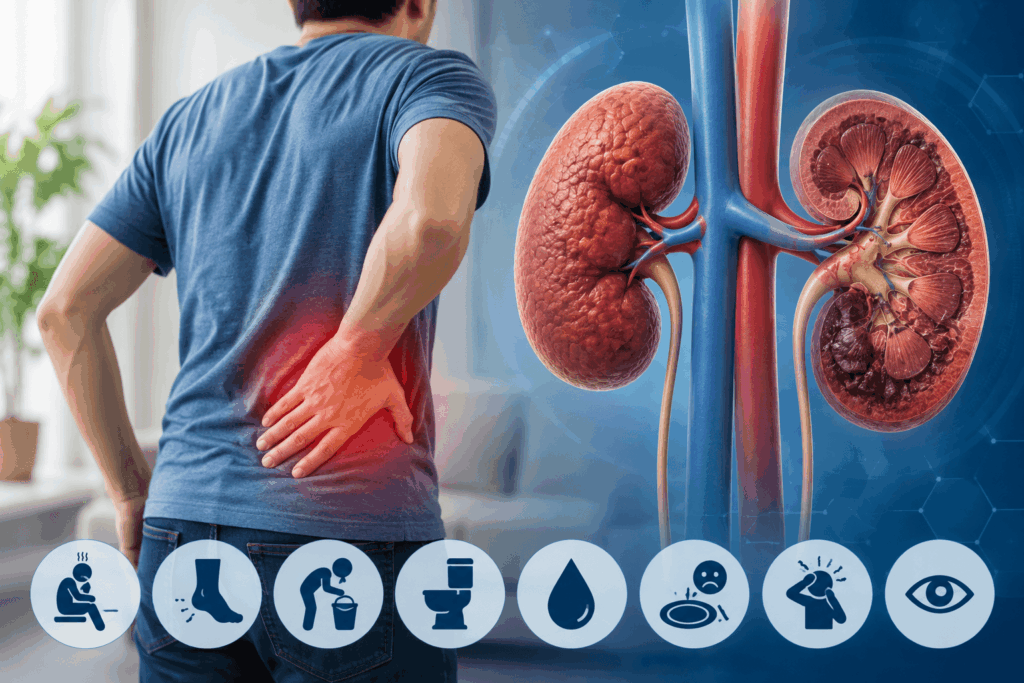
Your kidneys work quietly behind the scenes, filtering roughly 120 to 150 quarts of blood daily to clear out toxins, balance fluids, and regulate blood pressure. Because they are incredibly resilient, they can keep doing their job even when functioning at a fraction of their full capacity. This resilience, however, comes with a dangerous catch: early kidney disease symptoms are often quiet, subtle, and easily mistaken for general tiredness or stress.
Dr. R. Saravanan, a leading Consultant Nephrologist in Madurai, states that recognizing the early signs of kidney failure is vital to preserving long-term organ health.
What Exactly is Kidney Failure?
To spot kidney failure symptoms, it helps to understand what is actually happening inside the body. Your kidneys house millions of microscopic filters called nephrons. In a healthy body, these nephrons constantly scrub your blood clean, balancing fluids and filtering out waste products.
Kidney failure occurs when these filtration units sustain significant, progressive damage and can no longer clear metabolic waste or balance fluids effectively. This failure typically happens in one of two ways:
- Acute Kidney Injury (AKI): A sudden, rapid decline in kidney function, often triggered by severe dehydration, sudden medication toxicity, or acute infections. AKI is often reversible if treated immediately by a specialist.
- Chronic Kidney Disease (CKD): A slow, gradual loss of function over months or years, usually driven by long-standing conditions like diabetes or high blood pressure. If left unmanaged, CKD can slowly progress toward permanent kidney failure.
When filtration drops below a critical level, toxins build up in the bloodstream, triggering the physical distress signals detailed below.
10 Early Signs of Kidney Failure
1. Chronic, Unexplained Fatigue
Chronic exhaustion or fatigue is one of the main kidney failure symptoms. When kidney function drops, a toxic buildup of waste and impurities accumulates in the blood. This can leave you feeling unusually drained, weak, or unable to concentrate, even after a full night’s rest. Additionally, failing kidneys produce less erythropoietin (EPO), a hormone that signals your body to make red blood cells, frequently leading to early-stage anemia.
2. Persistent Swelling in the Feet, Ankles, or Hands (Edema)
Failing kidneys struggle to remove extra fluid from your body. This fluid retention (edema) typically manifests as noticeable swelling in the lower extremities, feet, ankles, or hands, and can leave a temporary indentation when pressed firmly with a finger.
3. Puffiness Around the Eyes
Constant puffiness around eyes is often a sign that your kidney is failing. When the kidney’s filtering units (nephrons) are damaged, they allow a significant amount of essential protein (albumin) to leak out into the urine rather than keeping it in the blood. This drop in blood protein levels alters fluid distribution, causing a distinct, persistent puffiness or swelling around both eyes.
4. Changes in Urinary Frequency
Healthy kidneys regulate urine production precisely. Early renal strain can disrupt this balance, causing you to feel the urge to urinate much more frequently, especially waking up multiple times during the night (nocturia) or, conversely, experiencing a noticeable drop in overall urine output.
5. Foamy or Bubbling Urine
If your urine resembles the foam you see when whipping eggs, or requires multiple flushes to clear, it indicates an excessive presence of protein. This persistent bubbling is a classic, early sign of kidney failure.
6. Severely Itchy, Dry Skin
Itchy, dry skin is a lesser-known kidney disease symptom. Healthy kidneys perform the vital task of removing waste from the bloodstream while keeping the proper balance of minerals in your blood. When this filtration balance fails, an accumulation of waste products and elevated phosphorus levels can trigger deep, persistent skin dryness and severe itching that topical moisturizers cannot soothe.
7. Shifting, Metallic Taste in the Mouth
A buildup of waste in your blood can actively change how food tastes. You might notice a distinct metallic taste on your tongue, a sudden dislike for meat, or find that your breath smells bad.
8. Shortness of Breath
Fluid accumulation caused by poor kidney function can pool in the lungs when horizontal, leading to shortness of breath during routine activities or while trying to sleep. Furthermore, severe anemia associated with renal decline limits oxygen transport throughout the body, leaving you easily winded.
9. Nausea, Queasiness, or Loss of Appetite
As metabolic waste continues to circulate instead of being filtered out, it heavily impacts the gastrointestinal tract. This can lead to a subtle, persistent morning queasiness, sudden bouts of nausea, or a gradual loss of appetite that results in unintended weight loss.
10. Dull Aches in the Back or Flanks
While many types of back pain are muscular, your kidneys are located toward your back, just below the rib cage on either side of the spine. A deep, dull ache or pressure localized in the upper back, flanks, or sides can sometimes stem from renal inflammation, cysts, or underlying kidney strain.

“The primary clinical challenge with renal decline is that the kidneys rarely cause intense pain as they lose function. Subtle symptoms like ankle swelling, unusual fatigue, or foamy urine are frequently brushed aside as temporary exhaustion. Paying close attention to these early markers is essential; detecting functional shifts early gives us the best opportunity to protect and stabilize your long-term renal health.”
When to See a Nephrologist?
Many individuals wait for severe pain or critical illness before seeking specialized care. However, knowing when to see a nephrologist is the single most effective way to prevent early-stage strain from developing into irreversible failure. If you notice any of the above symptoms or have diabetes or hypertension, you should consult a kidney specialist for a detailed evaluation.
Precision Diagnostics at SN Kidney Care
At SN Kidney Care, Dr. R. Saravanan does not rely on guesswork; he confirms the diagnosis through simple, accessible clinical screening tools:
- Serum Creatinine & eGFR: A straightforward blood test to calculate your estimated Glomerular Filtration Rate, showing exactly how effectively your kidneys clear metabolic waste.
- Urine Albumin-to-Creatinine Ratio (UACR): A rapid urine screen to detect microscopic traces of leaking protein, identifying filter damage long before routine physical symptoms appear.
By catching functional shifts at an early stage, he designs highly targeted, individualized medical plans to manage blood pressure, protect remaining nephrons, and halt progression effectively.
Visit SN Kidney Care, Puthur, Madurai
Consult Dr. R. Saravanan, trusted kidney specialist in Madurai, for expert evaluation if you notice persistent changes in your energy levels, urinary habits, or unexplained fluid retention. Proactive care is the most effective approach to protecting your long-term wellness.
Do not wait for advanced kidney failure symptoms to appear; schedule a comprehensive clinical renal assessment today.
Book Appointment: +91 93634 44160/ +91 90039 83839
Address: No. 8, Aishwarya Complex, Iyer Bungalow Road, Mundrumavadi, Puthur, Madurai, Tamil Nadu 625007
Email: snmedicalcentrekidney@gmail.com
Hospital Affiliation: Apollo Hospitals, KK Nagar, Madurai
Serving Patients At: Puthur, Surya Nagar, Thiruppalai, Mattuthavani, and nearby areas